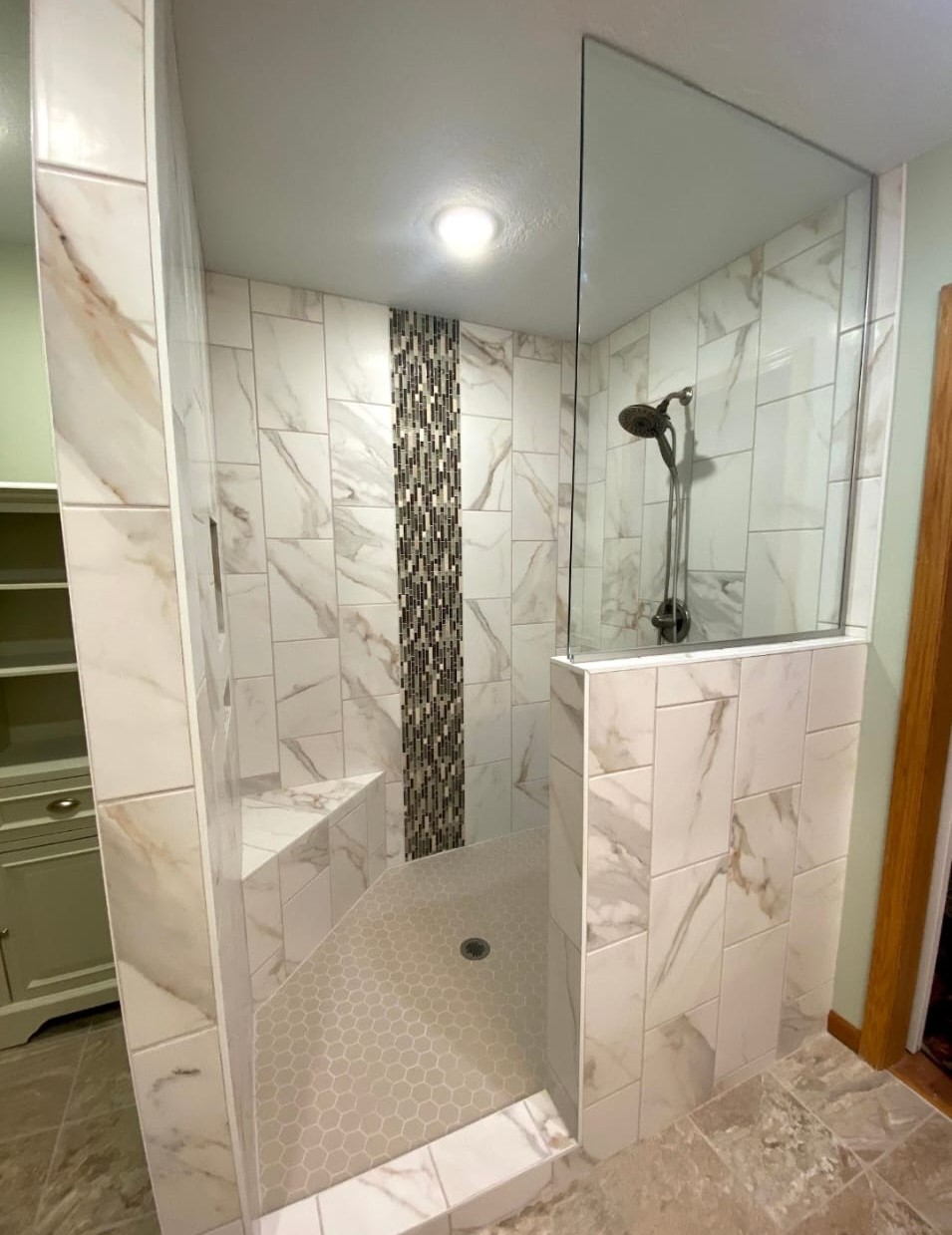
How to Choose the Right Flooring for Your Home
Choosing the right flooring for your home can significantly impact both the aesthetics and functionality of your living space. With a variety of options available, it's essential to consider several factors before making a decision. In this guide, we will explore different flooring options, their pros and cons, and provide you with practical renovation tips.
Understanding Your Flooring Options
The first step in selecting the right flooring is to understand the various types available. Each flooring option has unique characteristics that may suit different needs and preferences.
1. Hardwood Flooring
Hardwood flooring is a timeless choice known for its durability and aesthetic appeal. It adds warmth and elegance to any room.
- Pros: Durable, timeless appeal, can be refinished
- Cons: Expensive, susceptible to scratches and moisture
2. Laminate Flooring
Laminate flooring is a cost-effective alternative to hardwood that mimics its appearance. It's easier to install and maintain.
- Pros: Affordable, easy to install, resistant to stains and scratches
- Cons: Less durable than hardwood, cannot be refinished
3. Tile Flooring
Tile flooring is ideal for areas prone to moisture, such as bathrooms and kitchens. It comes in various materials, including ceramic and porcelain.
- Pros: Water-resistant, durable, available in many styles
- Cons: Cold underfoot, can be slippery when wet
4. Vinyl Flooring
Vinyl flooring is versatile and comes in a range of styles, including luxury vinyl planks that resemble natural materials.
- Pros: Affordable, water-resistant, comfortable underfoot
- Cons: Can be damaged by sharp objects, may fade in direct sunlight
5. Carpet Flooring
Carpet flooring provides a soft surface and warmth, making it a popular choice for bedrooms and living areas.
- Pros: Comfortable, good insulation, sound dampening
- Cons: Stains easily, requires regular cleaning
Key Considerations When Choosing Flooring
When selecting flooring for your home, consider the following factors to make an informed decision.
- 1. Lifestyle: Consider the amount of foot traffic and whether you have pets or children.
- 2. Budget: Determine how much you can afford to spend on flooring materials and installation.
- 3. Aesthetics: Choose a flooring style that complements your home’s décor.
- 4. Maintenance: Assess how much time and effort you are willing to dedicate to keeping your flooring clean and in good condition.
- 5. Climate: Think about your local climate and how it may affect certain flooring materials.
Renovation Tips for Flooring Installation
Installing new flooring can be a daunting task, but with the right approach, it can be a smooth experience.
- 1. Measure Your Space: Accurately measure your rooms to determine how much flooring material you’ll need.
- 2. Prepare the Subfloor: Ensure your subfloor is clean, dry, and level before installation.
- 3. Acclimate the Material: Allow flooring materials to acclimate to your home’s temperature and humidity before installation.
- 4. Follow Manufacturer Instructions: Always adhere to the guidelines provided by the flooring manufacturer.
- 5. Consider Professional Help: If you're unsure about DIY installation, hiring a professional can save time and ensure quality.
Conclusion
Choosing the right flooring for your home involves careful consideration of various options, factors, and installation tips. By understanding the different flooring types and evaluating your specific needs, you can make an informed decision that enhances the beauty and functionality of your living space. Whether you opt for hardwood, laminate, tile, vinyl, or carpet, the right choice will contribute to a comfortable and inviting home environment.